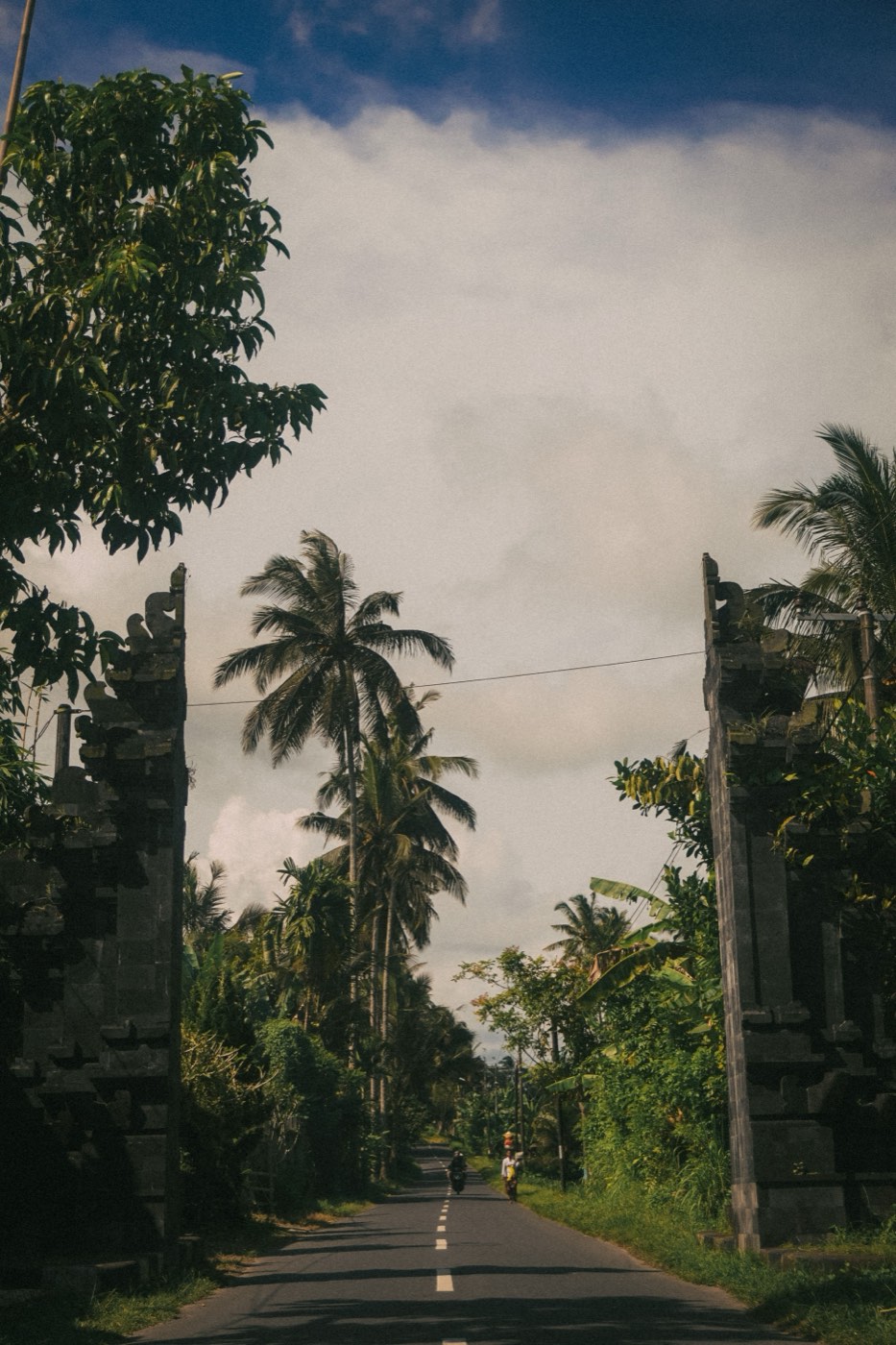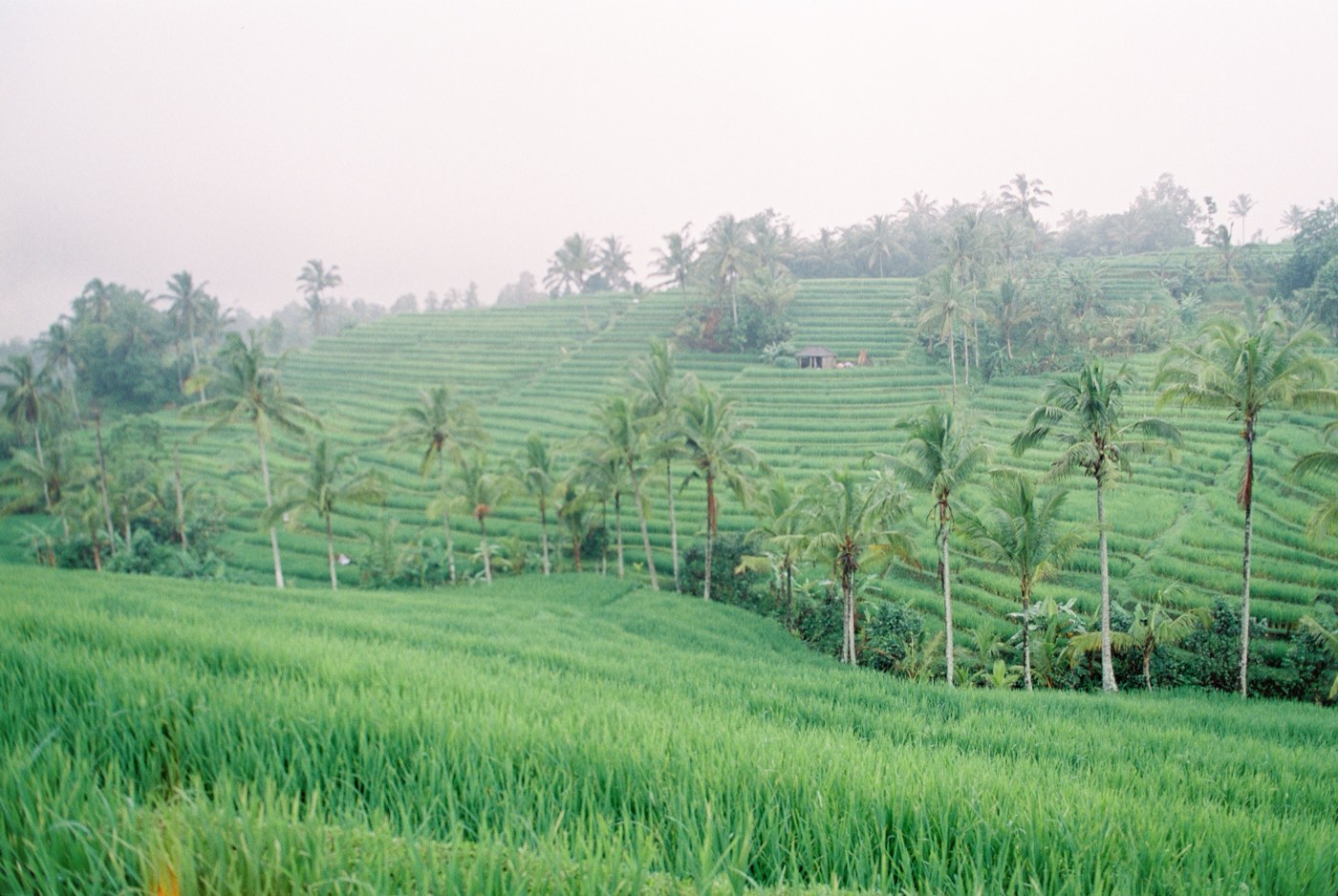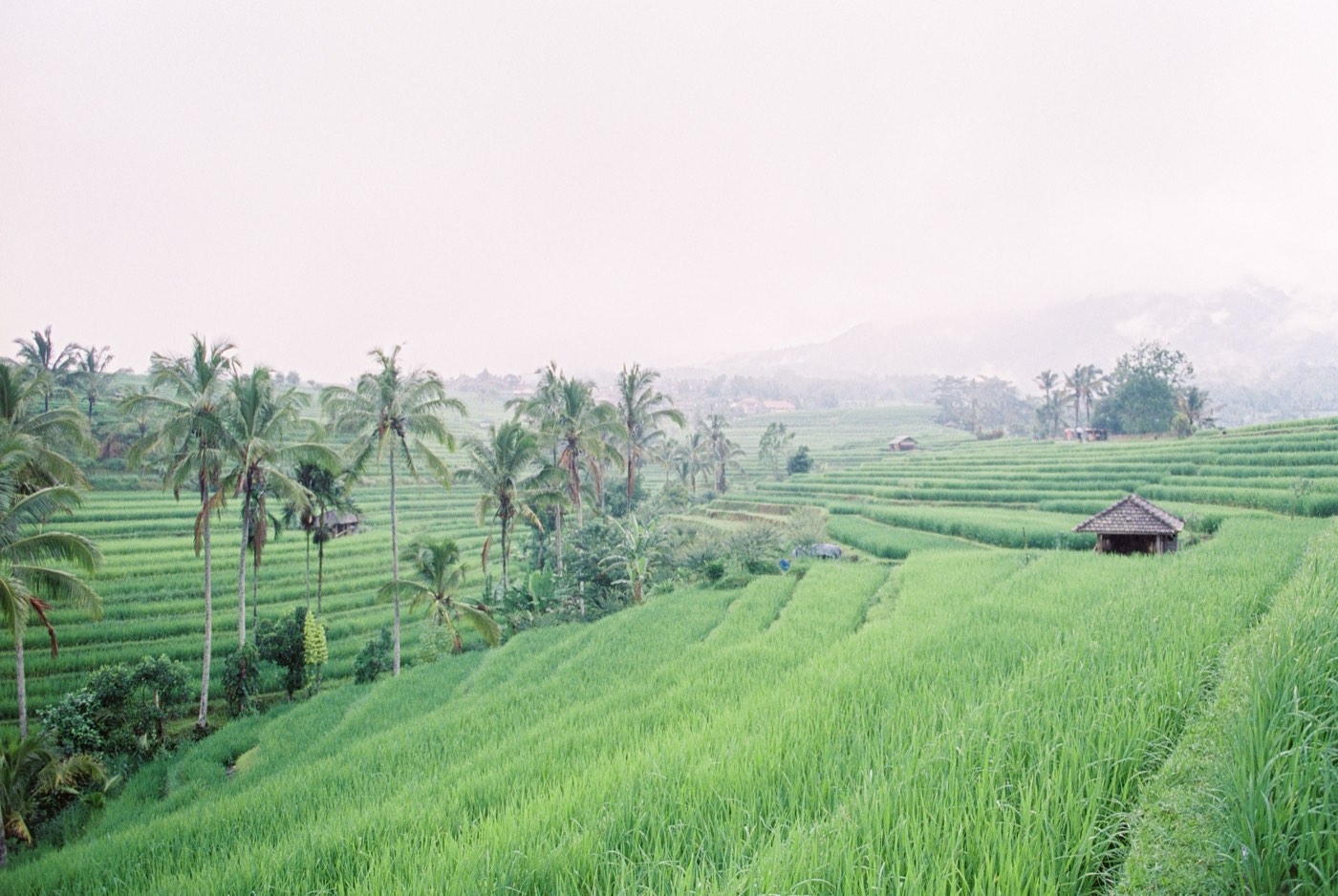
People write to me in March asking whether they should cancel because it is the wet season. Almost never. Wet season on Bali does not mean grey skies for two weeks. It means a heavy shower in the afternoon, usually for an hour, and then everything is green and washed and the light is beautiful. The temperature barely moves all year, between 26 and 32 degrees, whatever month you look at.
The months I would pick
If you can choose freely, come in May, June or September. The weather is dry, the island is not full, and the prices at hotels are still sane. April and October are almost as good and even quieter.
July and August are dry and beautiful, and also the busiest weeks of the year. Everything works, but you share it. Tegallalang at ten in the morning in August is a queue, not a rice field. That is exactly why my tours leave early.
The months to think twice about
January and February are the wettest. Not unusable, but if you have only five days and you want beach weather, it is a gamble. Nusa Penida trips get cancelled more often in those months because the crossing is rough, and that is a decision the boat company makes, not me.
The week around Christmas and New Year is the most expensive and the most crowded of the year, on top of the domestic holiday crowd. Book everything early or come two weeks later.
The one date that catches people out
Nyepi, the Balinese day of silence. The whole island stops for 24 hours. No flights in or out, no cars, no shops, no lights after dark, and you stay on your hotel grounds. Even the airport closes.
It falls in March, and the exact date moves each year with the Balinese calendar. If it lands in your trip, that is not a disaster, it is one of the most remarkable days you will ever spend, but you need to know in advance and plan food and a hotel that handles it well. The night before is the ogoh-ogoh parade, and that is worth planning around on purpose.
What actually decides your trip
Not the month. The order of your days. People land at midnight, book a sunrise trek for the next morning, and then wonder why day two is a write-off. Give yourself the first day to sleep and swim, start the long days from day three, and put the islands in the middle of the trip, not the end, so there is room if the sea is rough.